




Why You MUST Visit The Soutpansberg?
Quietly sitting in the far North of South Africa, where the people carry with them ancient stories and even the air seems alive with magic, lies the Soutpansberg Mountain Range. If you’ve never heard of these mountains, don’t worry, you are definitely not alone. But my goal is that by the end of reading this blog, you’ll be itching to pack your bags and explore one of the African continent’s most underrated treasures. So without further ado, let’s dive into why the Soutpansberg isn’t just extremely special, it’s unforgettable.
Where is the Soutpansberg?
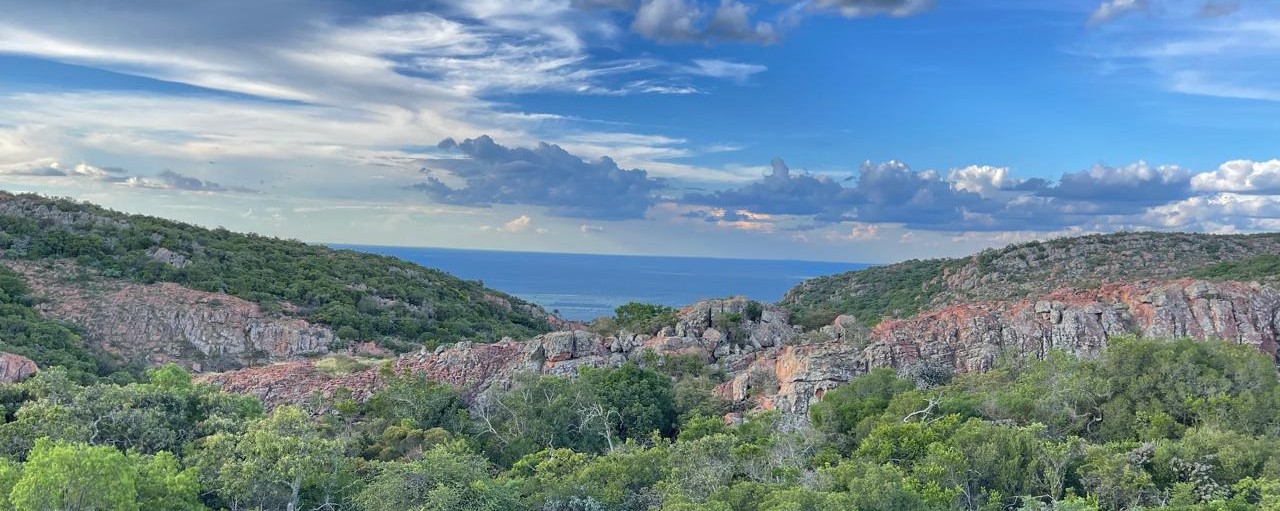
Right so first things first: where is the Soutpansberg mountain range? The Soutpansberg (pronounced “soat-pans-berg”) forms a rugged spine across the north of the Limpopo Province in South Africa. At an impressive 170km long, this mountain range lies between the Pafuri region of the Kruger National Park in the East and the little town of Vivo in the west. Its name, Soutpansberg, literally translates to “Salt Pan Mountain,” a reference to the natural salt pans found on the North-Western side of the mountain.
A Nature Lovers Paradise!
If you enjoy nature, then the Soutpansberg is a natural wonder that you need to visit at least once in your life time! The mountain range is teeming with life found nowhere else on Earth, a true endemic hotspot, and supports an extraordinary variety of plants, reptiles, and insects, making it one of South Africa’s most unique ecological treasures.
Endemic Plants: The Soutpansberg is home to over 40 plant species found only on the mountain itself, and many more are definitely going to be discovered. Among them is the rare Encephalartos hirsutus, a critically endangered cycad that has survived for millennia. The striking Aloe soutpansbergensis and the delicate Streptocarpus parviflorus subsp. soutpansbergensis, known as the “Pepper-and-Salt Flower.”
Reptiles: The Soutpansberg is home to at least 116 reptile species, with several species also being endemic to the area. These include the rare Soutpansberg rock lizard (Vhembelacerta rupicola) and the colourful, eye-catching Soutpansberg flat lizard (Platysaurus relictus). Chameophiles might also be lucky enough to spot a unique Bradypodion species blending into the dense vegetation.
Insects: The region also has numerous rare and endemic insects, including eye-popping butterflies and elusive beetles. Though specific species remain understudied, the Soutpansberg’s diverse ecosystems support an incredible range of invertebrate life, from pollinators to tiny, vividly coloured velvet mites.
More Than Just Nature: Culture and Mystery
But the Soutpansberg isn’t just about flora and fauna. It is full of human history and stories carried from centuries ago. Ancient San rock art decorate hidden caves, telling stories of a time when humans and wildlife shared these slopes in harmony. The Venda people, who call this region home, believe the mountains are alive with spirits. For example the Lake Fundudzi, formed when a natural landslide blocked the narrow Mutale river, this is a sacred place for the Venda people who believe that it is inhabited by a white python god. Or you can take hike through the misty Thathe Vondo Forest, where whispers of ancestral guardians linger among giant yellowwood trees.
And then there’s the mystery. Ever heard of the “Rain Queen” Modjadji? Her legendary rainmaking dynasty has roots in these mountains, adding a layer of enchantment to every cloud that drifts over the peaks and through the valleys.
Adventure Awaits
If you’re the type who needs more than pretty views to justify a trip, the Soutpansberg delivers. Hike the challenging 5 day “Old Salt Trail” which follows the ancient paths walked by the Venda people to collect salt for their families. This hike visits wonders of the Soutpansberg such as the mountains highest peak and an untouched yellowwood forest. Or, if you prefer something slightly slower-paced, you can sip rooibos tea, or a local beer at a guesthouse or mountain lodge while vervet monkeys chatter in the trees. You could even join a guided tour to learn about the rock art and medicinal plants used for centuries by the San Bushman and Venda healers.
The Final Sell: Why You Need to Come
The Soutpansberg isn’t just a destination, it’s a feeling. It’s the thrill of spotting a leopard track on a muddy trail first thing in the morning, the awe of standing beneath a 1,500-year-old baobab, and the peace of listening to a waterfall cascade into a pool fringed by tree ferns and waterberries. But more than that, it’s a place for the traveller who seeks the road less travelled, the kind of explorer who finds magic in places untouched by mass tourism. In a world where truly wild landscapes are vanishing, the Soutpansberg remains defiantly remote, wonderfully weird, and waiting to surprise those who dare to step off the beaten path.
Where Is The Best Place To Visit The Soutpansberg?
Well the obvious answer is Sigurwana Lodge (No I’m not bias or anything). But why do I say this? Well, Sigurwana is not just a lodge, it’s a gateway to the true essence of the Soutpansberg. Nestled within the recently established Western Soutpansberg Nature Reserve (WSNR), a vast 11,600-hectare protected area, Sigurwana makes up almost half of this newly protected wilderness. This means that when you step onto its land, you’re stepping into one of South Africa’s last truly wild places.
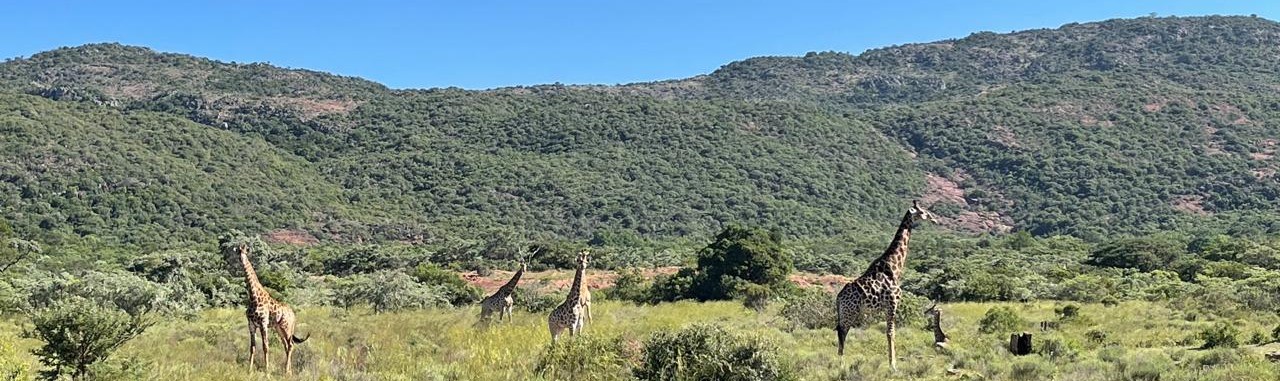
Here, nature still thrives as it has for millennia. The reserve is home to an astonishing variety of endemic species, from rare Euphorbias clinging to rocky cliffs to lizards basking on sun-warmed rocks. And, if you’re hoping for larger wildlife encounters, you’re in luck, Sigurwana is home to numerous mammal species including two of the big 5, allowing for game sightings in a setting that feels completely unspoiled.
But what makes Sigurwana truly special is the mystery woven into its landscape. The lodge itself is named after the Venda legend of the “Little Ghost.” According to folklore, the waterfall in front of the lodge would whisper through the night, and the Venda people believed it was a spirit playing among the mountains. Whether you believe in legends or not, there’s no denying the magic of standing by the falls and listening to the water sing.
For those seeking adventure, Sigurwana delivers. You can hike to the highest peak of the Soutpansberg, Mount Lajuma, where panoramic views stretch beyond the horizon. Or, for a different kind of wonder, visit South Africa’s northernmost yellowwood forest, where towering ancient trees stand as silent guardians of the past, and Knysna Touracos can be heard high in the tree canopy.
Sigurwana isn’t just the best place to visit the Soutpansberg, it is the Soutpansberg. It’s the feeling of stepping into a world that time forgot, of tracing leopard tracks in the sand, of sipping coffee while mist rolls through the valleys. It’s nature, adventure, and mystery, all wrapped into one unforgettable experience. And when you finally have to leave, you don’t just take memories with you, you leave feeling like a part of the Sigurwana family, forever connected to this wild and magical place.
2 Comments
I love that Siguwana – more than the entire Soutspansberg – has the heart and soul of Liesel Wright woven over and into and through its being,…. far beyond the original ‘little ghost’ naming of this rarified and unique lodge and conservancy. In Liesel’s magical words, after experiencing Sigurwana (Close to Heaven) your life is enlarged by a world that exceeds more than memories. It’s an opportunity of rebirthing ourselves into the vastness of life’s mystery xxh
I love that Siguwana – more than the entire Soutspansberg – has the heart and soul of Liesel Wright woven over and into and through its being,…. far beyond the original ‘little ghost’ naming of this rarified and unique lodge and conservancy. In Liesel’s magical words, after experiencing Sigurwana (Close to Heaven) your life is enlarged by a world that exceeds more than memories. It’s an opportunity of rebirthing ourselves into the vastness of life’s mystery xxh